Watch Dr. Gentile’s Film

Hemostatic Net or Hemostatic Device…The TESLA Advantage

By Dr. Richard Gentile

Why we prefer Hemostatic Devices to Hemostatic Nets or Fibrin Glue.

tesla-advange-face

Recently a great deal of interest has centered on the Hemostatic Netting placed after facelift surgery for its ability to reduce post op hematoma. The rates of hematomas sited in studies ranges from 1% to 15% and is known to be higher in men. A new systematic review and meta-analysis published in Facial Plastic Surgery & Aesthetic Medicine underscores the incidence of hematoma after rhytidectomy and evaluates commonly used adjunctive techniques aimed at reducing this complication. 

Researchers screened multiple databases, including PubMed, EMBASE, and Cochrane, identifying 31 studies encompassing 8,841 patients. The patient population had a mean age range of 31 to 84 years, with women comprising 85.2% of cases with known gender (4,330/5,080). The primary outcome was hematoma rate, while secondary measures included revision surgeries and use of preventative techniques.

tesla-neck-lift

The pooled hematoma rate was 2.7% (95% CI: 2.2–3.4%), with major hematomas occurring at a rate of 0.97% (95% CI: 0.61–1.53%). Subgroup analyses by adjunctive measure showed similar rates of major hematoma across groups: 1.53% with TXA, 1.25% with tissue sealants, and 1.23% with hemostatic nets.

“Evidence from this review suggests that deep plane facelifts have a 2.7% overall and 0.97% major hematoma rate, with no clearly superior adjunct among TXA, sealants, or hemostatic nets,” the authors wrote.

As medical practice stems from the scientific evidence and medical studies we examine the science rather than follow fads in practice. We also know there is no advantage in these netting sutures for the final aesthetic result in SMAS or Deep Plane Facelift surgery.

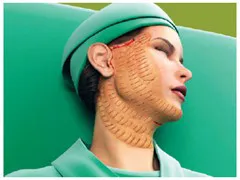
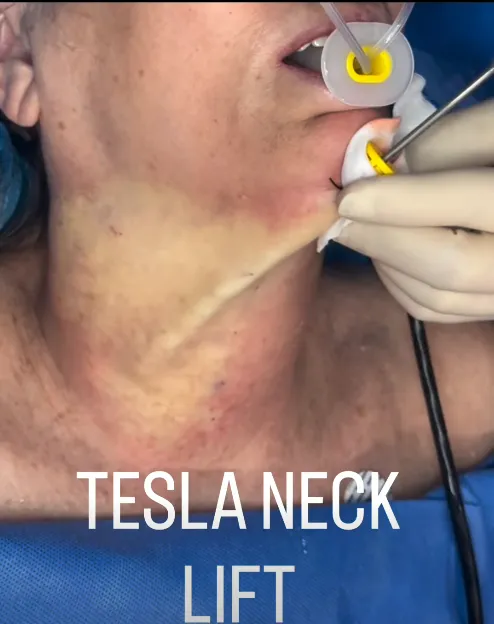
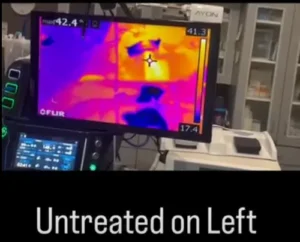
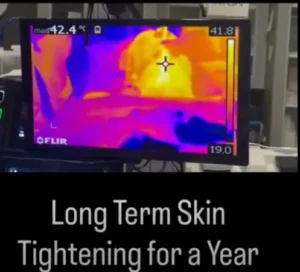
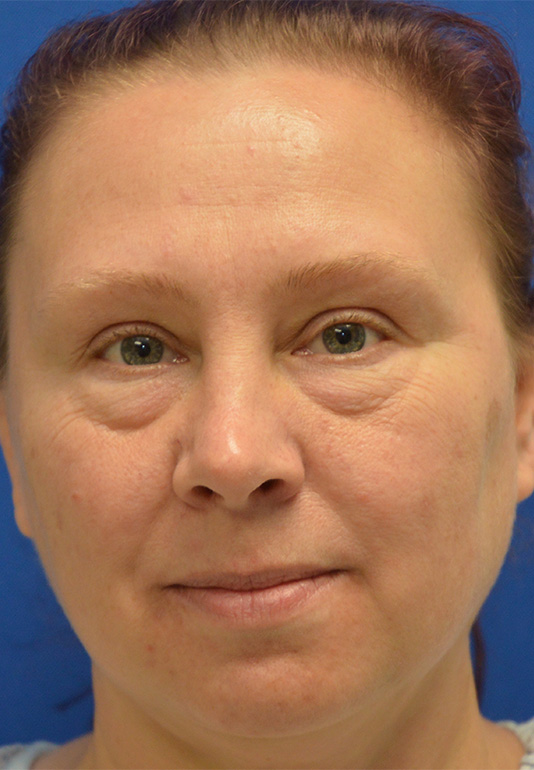
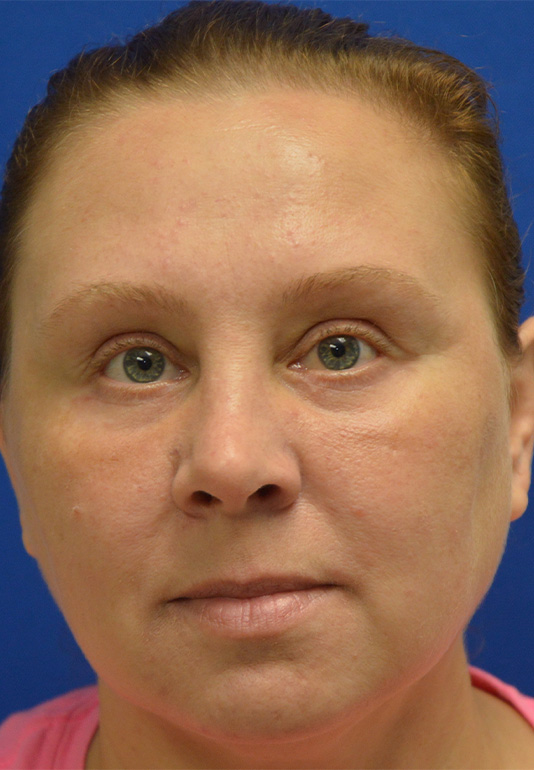
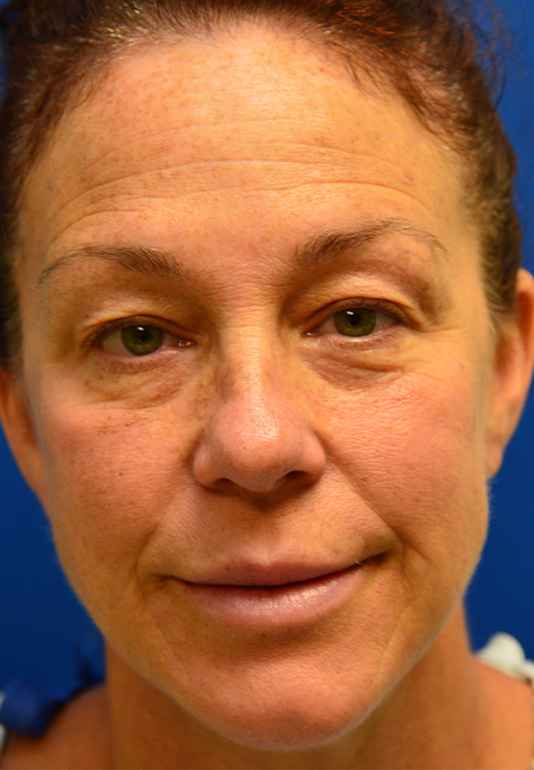
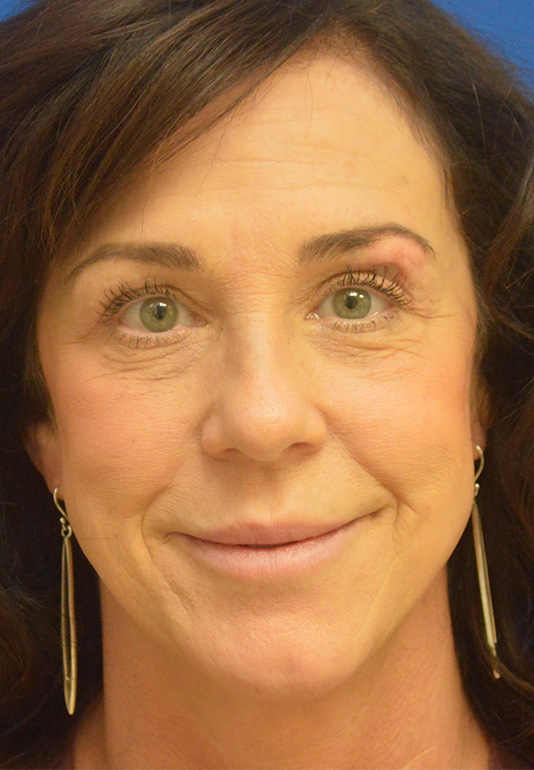
What we do know is using a hemostatic device prior to surgery we experience a hematoma rate of 1-2% when combined with TXA and tumescent local anesthesia. This cannot be improved with netting suture or fibrin application and reduces the anxiety patients (and surgeons) may experience from the unsightly appearance of netting sutures. We also know that it is proven that using a hemostatic device prior to surgery and carefully elevating the temperature in the facial flaps a doubling of skin tightening occurs which does enhance the final aesthetic outcome.

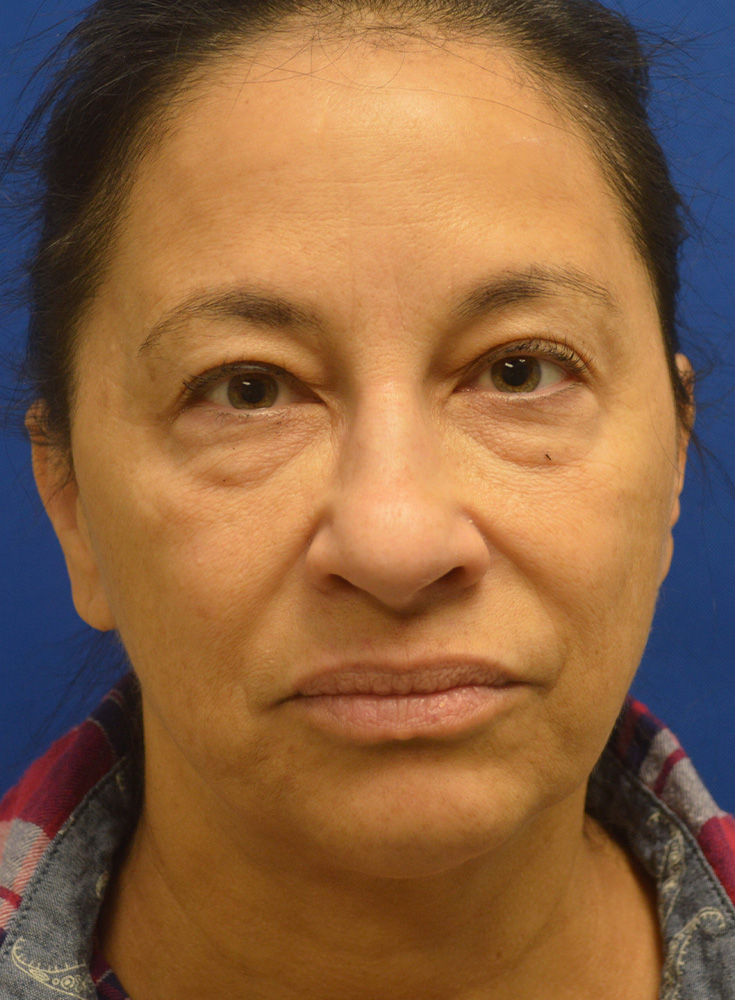
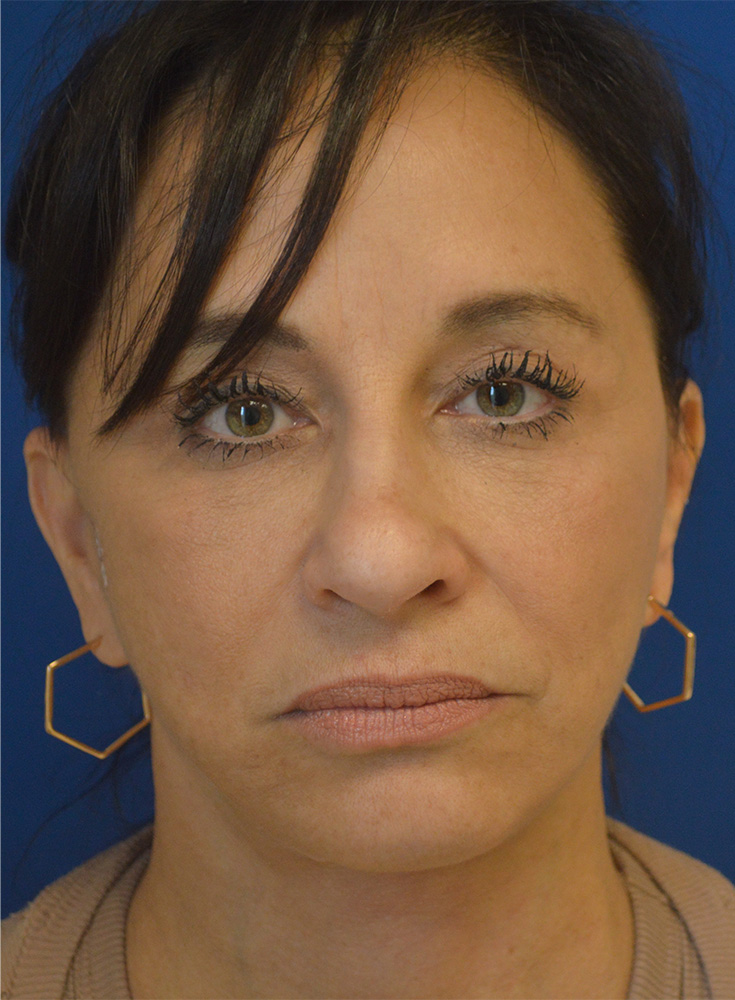
It’s all about the science and science determines our practice not fads. Our experience demonstrates the use of a hemostatic device prior to conventional surgery results in the lowest published rates of hematoma and as a bonus provides nearly double the amount of skin tightening as healing progresses. Hence the TESLA advangage in facelifting.

Jason Lee Azzi , Armon Hadian , Dorsa Zabihi-Pour , Yousef Omar , Matthew Urichuk , Corey Maas , James Newman , Ali Esmail , Matthew Brace

Prevention of Hematoma in Patients Undergoing Facelift (Rhytidectomy): A Systematic Review and Meta-Analysis

Facial Plast Surg Aesthet Med . 2025 Nov 7. doi: 10.1177/26893614251393166

Hemostatic net: an alternative for the prevention of hematoma in rhytidoplasty

Auerswald A, Auerswald L

Schedule a
Consultation

Contact Us

Contact Us Photo Gallery
Call Email Results