By Dr. Richard Gentile
A Brief History of Hematomas and Facelifts
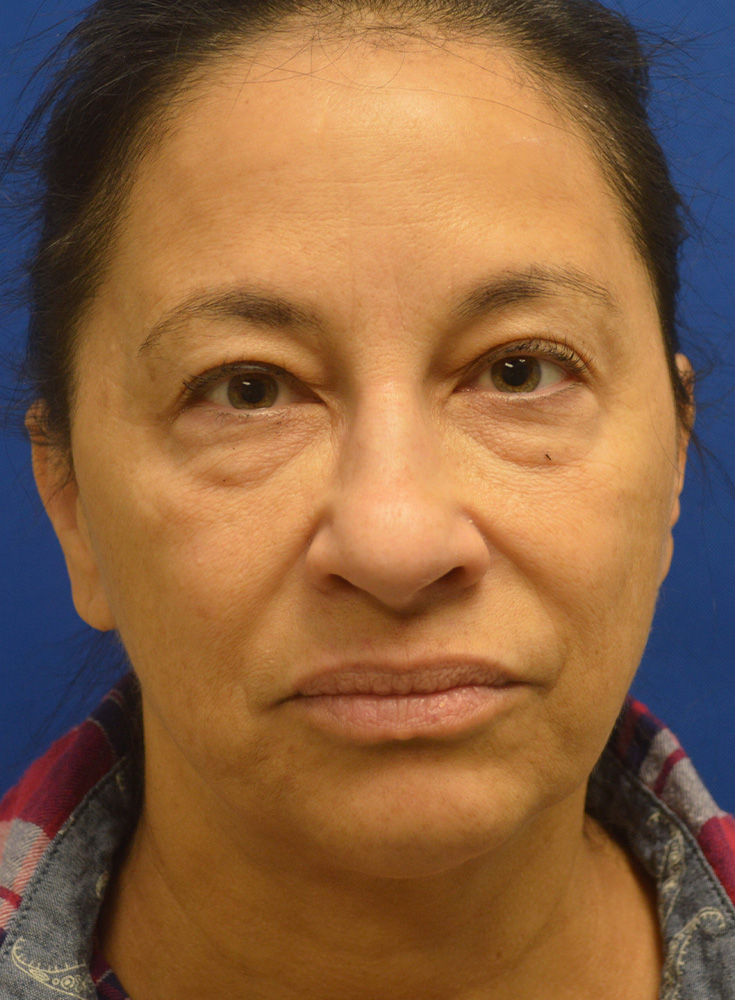
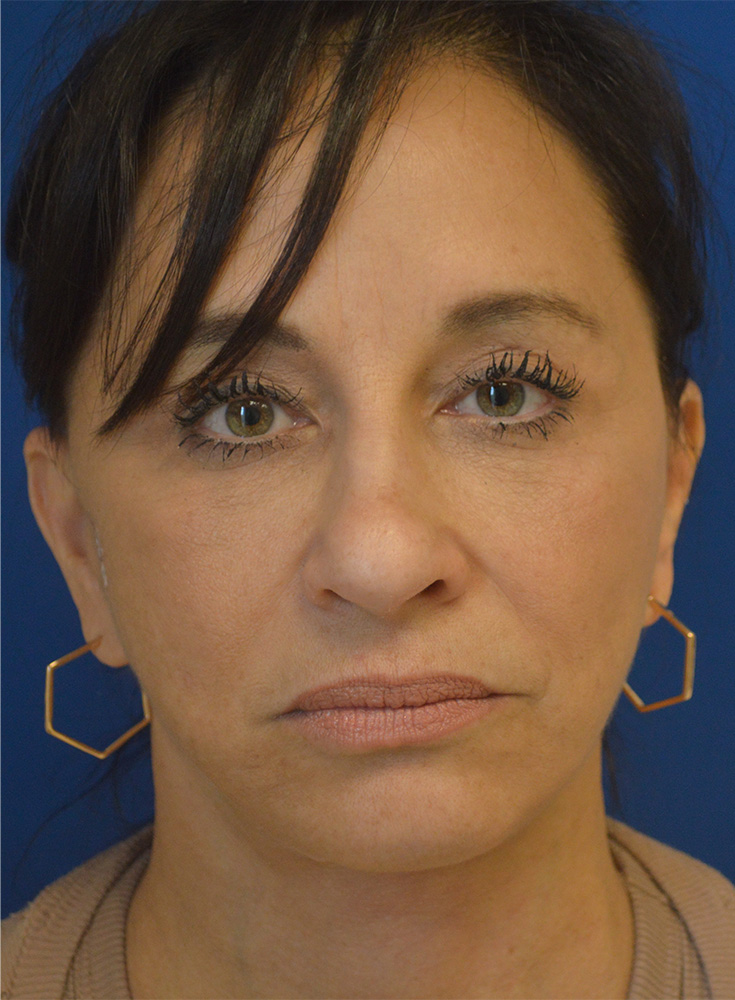
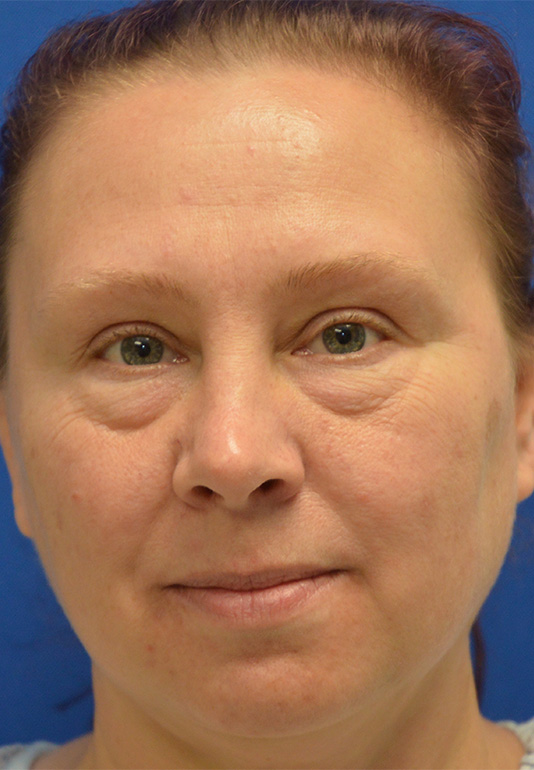
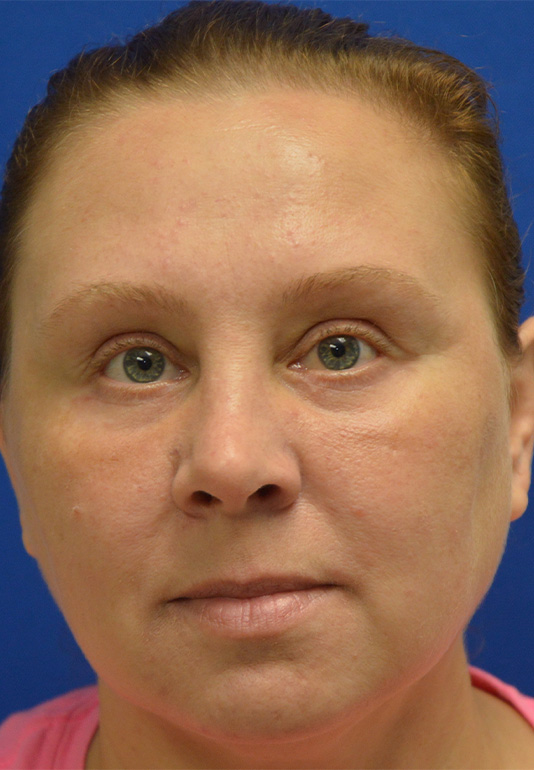
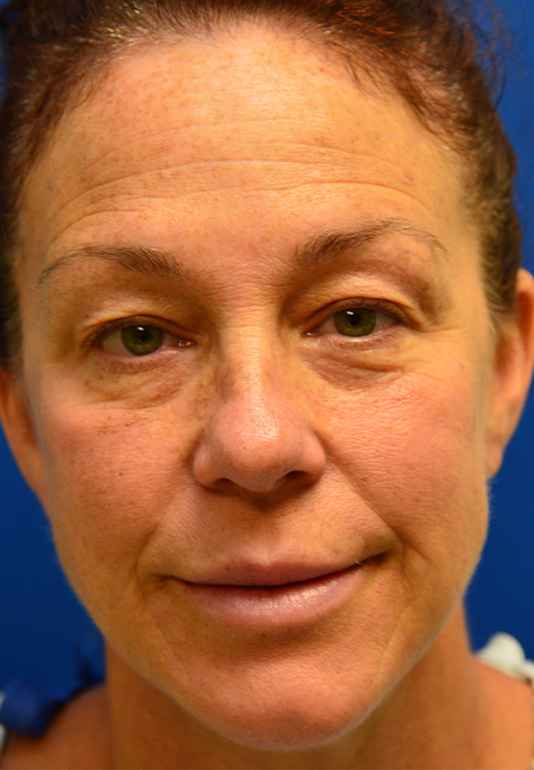
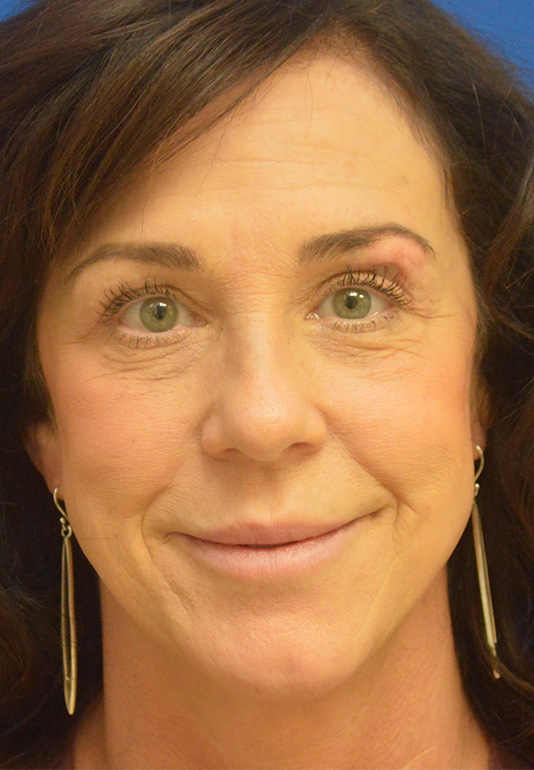
The facelift is one of the most common procedures performed to address physical signs of aging in the face and neck, including wrinkles, jowls, and a poorly defined jawline. While a facelift can produce incredible, rejuvenating results, the healing and recovery process is a crucial factor to consider when deciding on the procedure.
A hematoma, which can present as a firm, raised, or painful lump under the skin or soft tissue, is caused by clotted or pooled blood outside blood vessels and is a potential complication of facelift surgery. There are several ways to reduce the likelihood of hematomas, including hemostatic devices, such as the TESLA Advantage, hemostasis nets, and fibrin glue.
In this blog, we’ll review each of these approaches and the science behind why we use the TESLA Advantage after facelift.
What Are Hemostatic Nets?
Hemostatic nets are a temporary, specialized suture technique used to reduce bleeding, bruising, and swelling. This technique anchors the skin to the underlying tissue, resulting in a net- or mesh-like appearance, minimizing fluid accumulation and eliminating the need for drainage tubes. While effective at reducing hematomas, it can cause patient discomfort, an unsightly appearance, and increased surgical time.
What is Fibrin Glue?
Fibrin glue is a surgical adhesive used to stop bleeding, seal tissues, and promote wound healing, mimicking the final stages of natural blood coagulation. It rapidly stops bleeding, minimizes edema and bruising, has lower immediate tensile strength, and can increase seromas.
What is the TESLA Advantage?
The TESLA (Technology-Enhanced Subdermal Laser Assisted) Advantage, also called energy-based facelifting, is a modern, hybrid technique that combines conventional surgical lifting with energy-based devices to achieve superior, longer-lasting results. This technique can utilize devices that use radiofrequency (RF), fiber lasers, or high-frequency ultrasound. Unlike hemostatic nets and fibrin glue, this approach uses the devices prior to surgery rather than post-operation.
A Published Review on the Rates of Hematomas After Facelifts
Recently, a great deal of interest has centered on the Hemostatic Netting placed after facelift surgery for its ability to reduce hematomas after an operation. The rates of hematomas reported in studies range from 1% to 15% and are known to be higher in men. A new systematic review and meta-analysis published in Facial Plastic Surgery & Aesthetic Medicine reports the incidence of hematoma after rhytidectomy and evaluates commonly used adjunctive techniques to reduce this complication.
What Happened in the Studies?
Researchers screened multiple databases, including PubMed, EMBASE, and Cochrane, and identified 31 studies involving 8,841 patients. The patient population had a mean age range of 31 to 84 years, with women comprising 85.2% of cases with known gender (4,330/5,080). The primary outcome was the hematoma rate, while secondary measures included revision surgeries and the use of preventive techniques.
The pooled hematoma rate was 2.7% (95% CI: 2.2–3.4%), with major hematomas at 0.97% (95% CI: 0.61–1.53%). Subgroup analyses by adjunctive measure showed similar rates of major hematoma across groups: 1.53% with TXA, 1.25% with tissue sealants, and 1.23% with hemostatic nets.
“Evidence from this review suggests that deep plane facelifts have a 2.7% overall and 0.97% major hematoma rate, with no clearly superior adjunct among TXA, sealants, or hemostatic nets,” the authors wrote.
Why We Prefer Hemostatic Devices to Hemostatic Nets or Fibrin Glue
Medical practice is based on scientific evidence and medical research. At Gentile Plastic Surgery, we examine the science rather than follow fads in practice. We also know there is no advantage in these netting sutures for the final aesthetic result in SMAS or Deep Plane Facelift surgery.
Using a hemostatic device prior to surgery, we experience a hematoma rate of 1-2% when combined with TXA and tumescent local anesthesia. This cannot be improved with netting suture or fibrin application and reduces the anxiety patients (and surgeons) may experience from the unsightly appearance of netting sutures. Additionally, it has been shown that using a hemostatic device prior to surgery and carefully elevating the temperature of the facial flaps doubles the degree of skin tightening, enhancing the final aesthetic outcome.
Backing Our Decision With Science
At Gentile Plastic Surgery, we make recommendations to our patients and utilize the best techniques based on science, not fads. Our experience demonstrates that using a hemostatic device prior to conventional surgery yields the lowest published rates of hematoma and, as a bonus, provides nearly double the skin tightening as healing progresses. Hence, we use the TESLA Advantage during facelift surgery so you can look and feel better with a faster recovery.
Why Choose Dr. Gentile?
Dr. Richard Gentile is a double Board-certified plastic surgeon in the Youngstown, Akron, and Cleveland area affiliated with the American Board of Facial Plastic and Reconstructive Surgery (ABFPRS), the American Board of Otolaryngology-Head and Neck Surgery (ABO-HNS), and the American Academy of Facial Plastic and Reconstructive Surgery (FAAFPRS). These Board certifications show that he has completed rigorous training beyond medical licensure, adheres to strict safety and ethical standards, and continues his education to stay up to date on modern techniques and safety protocols.
Dr. Gentile is sought after at both the local and international levels for speaking engagements and interviews. He also proudly serves his community by working pro bono with Face to Face, a non-profit organization dedicated to assisting people who need reconstructive surgery as a result of domestic violence.
Schedule Your Consultation
If you are interested in a facelift, please schedule an appointment with Dr. Gentile for a private consultation, and he will help you determine which facelift technique best aligns with your aesthetic goals and needs.
Additional Reading